







Indian energy company Jindal Power has signed a loan agreement worth approximately US$500 million to finance a thermal power project in Botswana, with another US$500 million expected to be raised for the project’s second phase.
The financing forms part of a proposed US$1 billion funding arrangement involving three Indian lenders: Axis Bank, ICICI Bank and the Export-Import Bank of India.
According to a statement issued on 17 November 2026 by Indian law firm JSA Advocates & Solicitors, Jindal Power has signed an eight-year loan agreement covering approximately half of the planned financing.
The remaining US$500 million is expected to be raised in the coming months, meaning the entire US$1 billion financing package has not yet been secured.
The funding is intended to support the first two phases of a thermal power development in Botswana’s Central District, including the power station and associated infrastructure.
Jindal Energy (Botswana) Proprietary Limited, part of the Jindal Power group, is developing the project, with electricity intended for sale to Botswana Power Corporation.
JSA said it advised Jindal Energy Botswana on the financing transaction, including the structuring, drafting, review and negotiation of loan agreements.
The law firm confirmed that the financing involves Axis Bank, ICICI Bank and the Export-Import Bank of India.
Its announcement provides additional details following a Bloomberg report published on 13 November, which said Jindal had secured an offshore loan of approximately US$470 million from the same three lenders.
Bloomberg reported that the facility had a nine-year door-to-door tenor and was priced approximately 300 to 325 basis points above the Secured Overnight Financing Rate.
The earlier report also indicated that the financing was being syndicated, with additional international institutional lenders expected to participate.
JSA’s subsequent announcement described an approximately US$500 million loan agreement with an eight-year tenor.
The difference between the reported amounts and loan periods has not been explained publicly. It remains unclear whether the figures reflect different definitions of the same facility or changes to the financing arrangements.
The law firm said its work included examining the proposed second-phase financing terms to ensure consistency with those agreed for the first phase.
The transaction involved coordination between the lender consortium, legal advisers in several jurisdictions and representatives of the borrower.
The financing relates to Jindal’s investment in Botswana’s thermal electricity generation sector.
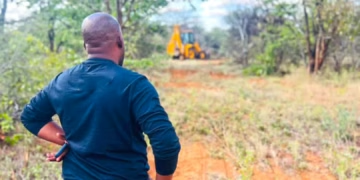
Jindal Power has been developing the Mmamabula Energy Project, a coal-fired power station with a planned generation capacity of 700 megawatts.
According to Bloomberg’s 13 November report, the company had identified December 2026 as the intended commissioning period for the facility.
However, the 17 November financing announcement did not provide an updated construction timetable, confirm commissioning arrangements or specify the generation capacity covered by each financing phase.
The project is intended to supply electricity to Botswana Power Corporation, which would distribute power through the country’s electricity network.
The development forms part of Botswana’s efforts to increase domestic electricity generation and reduce dependence on imported power.
The country’s mining sector is among its major electricity consumers, with diamond, copper, nickel and other mineral operations requiring reliable power supplies.
Additional domestic generation could support industrial activity and reduce pressure on electricity imports, although the eventual contribution will depend on the project’s commissioning and operating performance.
The latest financing announcement establishes that Jindal has signed a loan agreement covering approximately US$500 million, but a further US$500 million remains to be raised.
JSA did not disclose the expected completion date for the second financing phase, the interest rate applicable to the eight-year agreement or the amount already drawn down.
It also did not specify whether the second phase would involve additional generating capacity or other infrastructure.
The company has therefore not confirmed that the entire proposed US$1 billion financing programme is available for expenditure.
The financing arrangements nevertheless represent a significant financial commitment to Botswana’s power sector, with the proposed second tranche expected to support further development of the project.
The next milestone will be securing the remaining funding while Jindal progresses the construction and commissioning arrangements for its Botswana power investment.


